Kota Tua becomes more useful when its photogenic facades are treated as the beginning of inquiry. The district's museums interpret city government, money, puppetry, art, ceramics and maritime trade, while the pedestrian and low-emission changes show that heritage is still being managed in the present. A thoughtful visit asks what each institution preserves, which colonial structures shaped Batavia, and how today's communities use the same public space.
At a glance
Start here
- Use Fatahillah Square as an orientation point, not the whole story.
- Choose museum subjects that reveal different systems behind the old city.
- Read pedestrianization and the low-emission zone as current heritage decisions.
- Avoid romanticizing colonial buildings without examining power, trade and labor.
01
Treat Fatahillah Square as an index
The square gathers several institutions close enough to appear like one attraction, but their collections point in different directions. Jakarta's official museum page describes the Jakarta History Museum, Wayang Museum and Museum of Fine Arts and Ceramics, while Bank Indonesia explains its own museum nearby. The square is therefore an index to city government, performance traditions, visual culture, trade and finance.
Begin by looking at the buildings and public-space layout, then enter one institution before drawing conclusions about the district. Exterior style alone cannot explain who governed, traded, worked or was excluded in Batavia. The official Jakarta Investment Centre identifies Kota Tua as a protected cultural-heritage zone under active development. That status makes the district both historical evidence and a contemporary planning project.
- Name the museum subjects visible from the square.
- Enter at least one collection before interpreting the facades.
- Keep colonial aesthetics connected to institutions and power.
02
Read the former city hall through urban history
The Jakarta History Museum occupies the building that anchors Fatahillah Square. The city museum profile says its collections range from the region's prehistory through Sunda Kelapa, colonial rule and the period after independence. That scope resists a simple Old Batavia label: Jakarta existed through changing names, authorities, communities and connections long before and after the colonial city hall.
Look for transitions rather than a single golden age. Ask which maps define the city, which objects represent administration and whose everyday life appears in the galleries. When a display uses a replica, read the label rather than treating it as an original artifact. The collection can also reveal absences. A museum's selection is an interpretation, so record questions that require another institution or archive.
- Follow the sequence before, during and after colonial rule.
- Distinguish original objects from replicas.
- Notice which communities and forms of labor are visible.
03
Look for the money behind the port city
Museum Bank Indonesia occupies the former De Javasche Bank building and interprets central-bank history, currency, documents and policy. It changes the district's story from architecture to systems. Coins, notes and financial records make it possible to ask how trade was valued, how authority appeared on money and how national institutions changed after independence.
The building itself is part of the collection context, but do not let the interior overpower the exhibits. Follow the official sequence and separate the history of De Javasche Bank from that of Bank Indonesia. Contemporary policy displays may use technical terms; record them and use the bank's official educational material later. Confirm current entry procedures independently because the historical page does not guarantee today's admission arrangement.
- Track symbols and institutions across currency changes.
- Separate the building's history from the central bank's history.
- Use Bank Indonesia's current visitation page before arrival.
04
Use art, ceramics and wayang to widen the frame
The Museum of Fine Arts and Ceramics occupies a nineteenth-century civic building and presents Indonesian visual art and ceramics. Nearby, the Wayang Museum holds Indonesian wayang and puppets from other countries, along with gamelan and related paintings. These collections complicate the idea that Kota Tua is only about European buildings: the material inside directs attention to Indonesian artists, craft, performance and regional connections.
Choose between them by the question you want to pursue. Art and ceramics invite comparison of medium, origin and artistic period. Wayang requires attention to performance, character and music rather than seeing a puppet as a static doll. Check current galleries and programs with the Cultural Service. A workshop or performance listed historically should not be promised without confirmation.
- Choose art and ceramics for material and artistic histories.
- Choose wayang for performance traditions and objects.
- Verify temporary programs through the museum manager.
05
See the public realm as current history
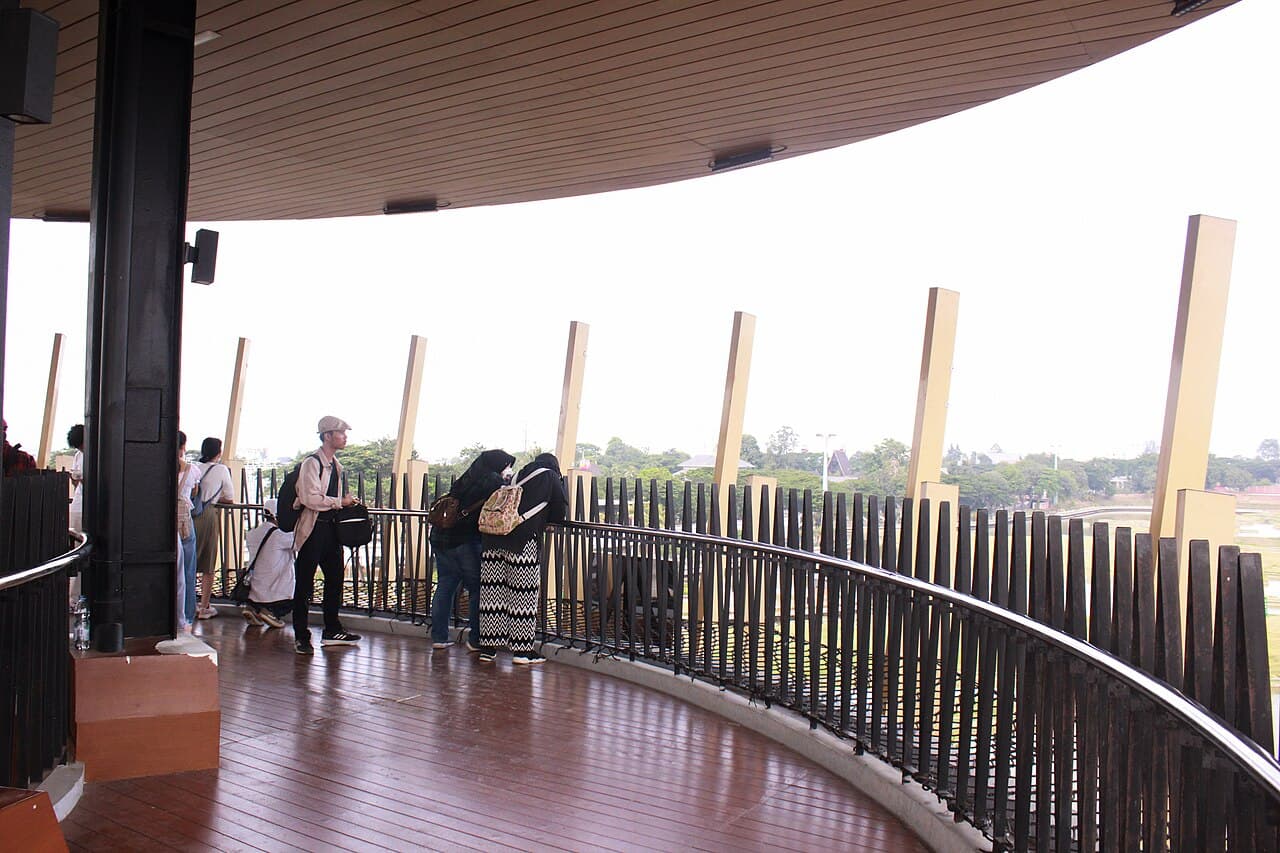
Kota Tua's current form is not a preserved snapshot. Jakarta's official development account describes a 2022 revitalization, pedestrian improvements and a low-emission zone in the core. Those interventions change how people reach the museums, where vehicles move and how the district supports vendors, residents, performers and visitors. Heritage management is therefore visible in paving, barriers, signs and transport connections.
Walk the designated public routes and observe where old structures meet new street furniture or controlled traffic. Do not assume every lane allows private vehicles or every historic-looking doorway is a public entrance. Current construction and future transit work may alter access again. Use the latest city and operator information instead of preserving a route from an earlier travel article.
- Notice pedestrian routes and vehicle controls.
- Distinguish a public entrance from a historic facade.
- Recheck access during construction or events.
06
Include the working city
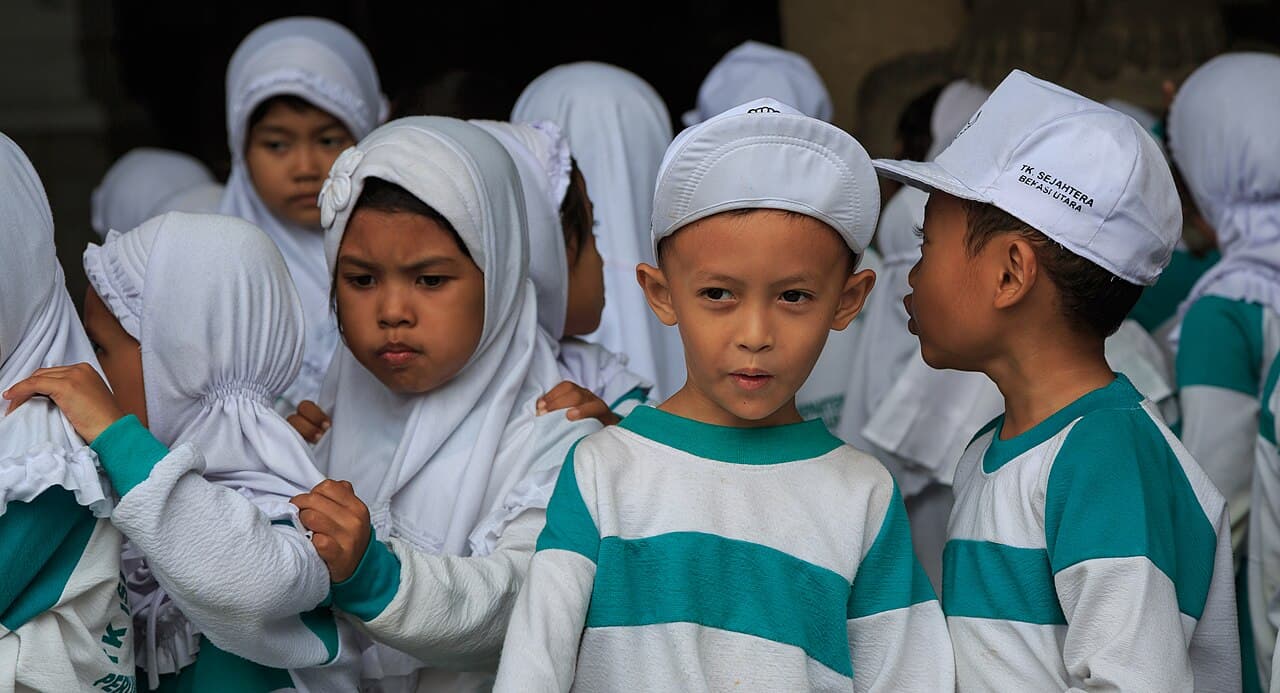
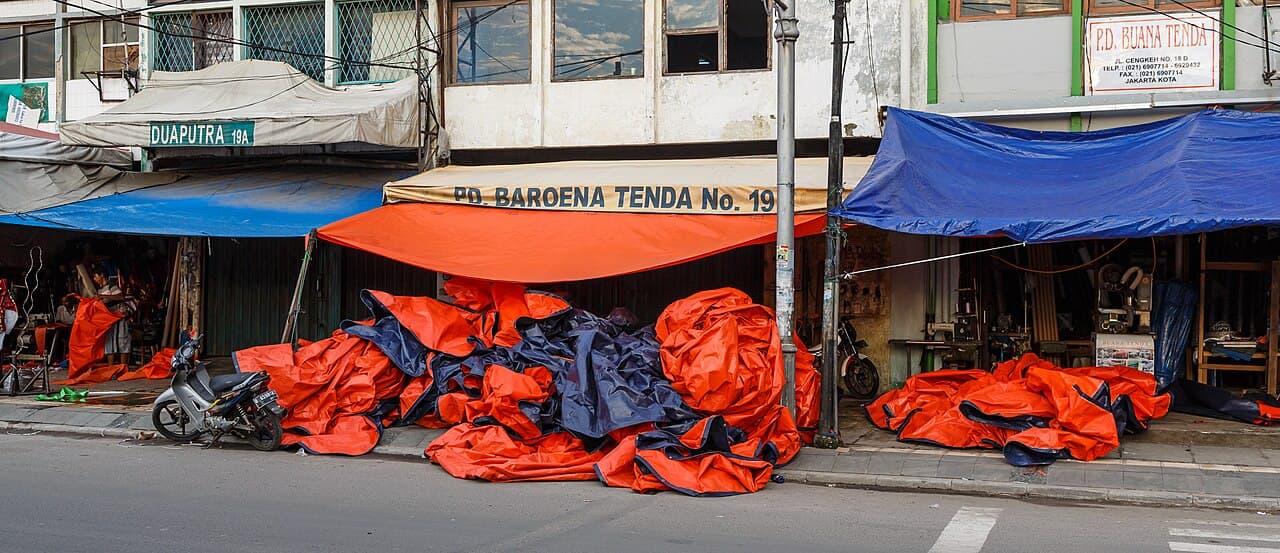
Kota Tua remains a place of work. Museum staff, station users, vendors, artists, maintenance teams and nearby businesses share the heritage core. The city development page describes creative communities and economic activity as part of the district's present character. A visitor should not erase that life to create an empty-period photograph or describe every street interaction as staged tradition.
Keep doorways and routes open, ask before close portraits and pay vendors normally. Street performance can be public without making the performer available for unlimited filming. If a guide offers historical claims, compare them later with museum or archive sources. The goal is not suspicion; it is to distinguish a personal story, an interpretive account and a documented institutional fact.
- Do not block work, station or museum flows.
- Ask people before making them the subject of an image.
- Separate oral interpretation from verified collection facts.
07
Connect Kota Tua to the waterfront
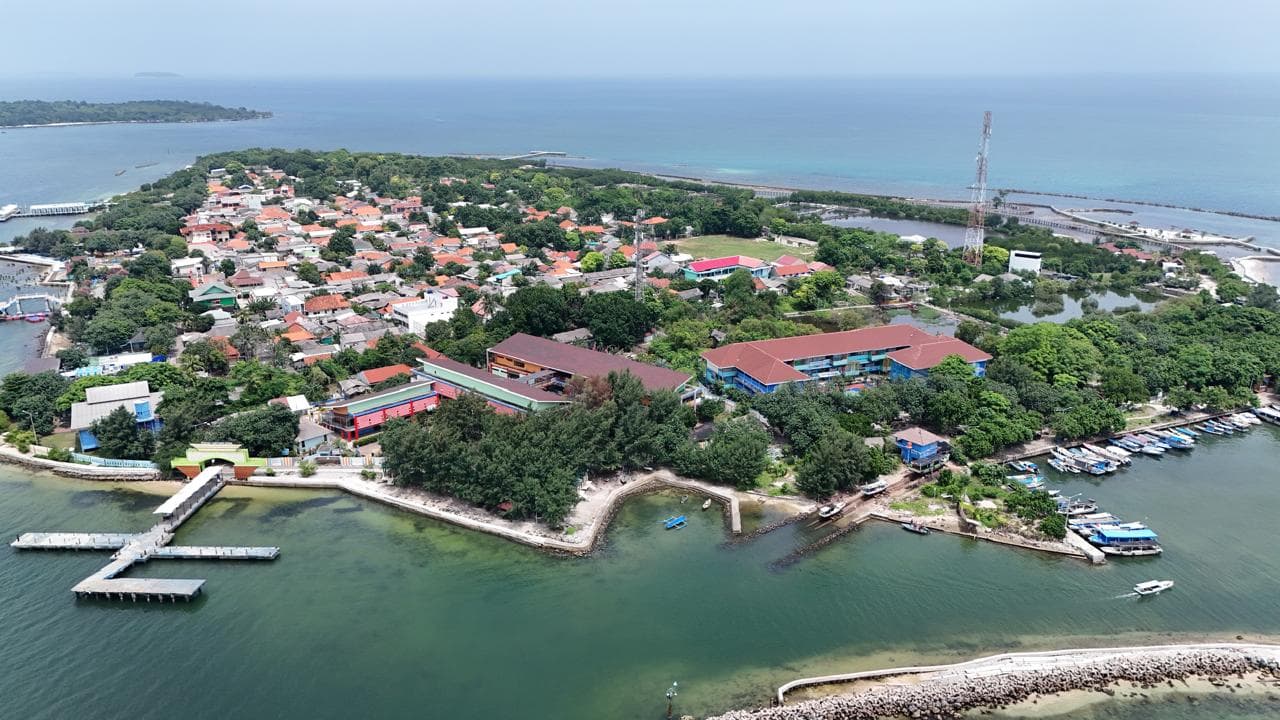
The old city's systems extended toward Sunda Kelapa. Museum Bahari stands near the active port and interprets maritime and fishing histories, while the port still serves inter-island shipping. That connection helps explain why Batavia developed where it did and why warehouses, customs, finance and civic administration occupied the northern city. It also prevents the square from becoming a self-contained European stage set.
Treat the waterfront as a separate research block rather than an automatic extension of a hot museum day. Port operations, museum access and the walking connection require current checks. If you continue north, follow public routes and port instructions. The stronger historical synthesis may come after two visits: one centered on the square's institutions and another on Sunda Kelapa, Museum Bahari and the maritime landscape.
- Link civic, financial and maritime institutions conceptually.
- Plan the port area as its own block.
- Follow current public-access and operational boundaries.
Useful answers
Reader questions
What should I do beyond Fatahillah Square?
Choose one museum subject, examine the pedestrian and low-emission changes, and connect the district to the maritime story around Sunda Kelapa. The facades are orientation points, not a complete history.
Sources: Jakarta Investment Centre; Jakarta Provincial Government; PelindoWhich Kota Tua museum should I choose?
Choose the Jakarta History Museum for the city's timeline, Museum Bank Indonesia for money and institutions, the Wayang Museum for performance objects, or the Museum of Fine Arts and Ceramics for visual and material culture.
Sources: Jakarta Provincial Government; Bank Indonesia; Jakarta Cultural ServiceIs Kota Tua closed to private vehicles?
The core has low-emission and pedestrian controls, but current boundaries and access arrangements can change. Check Jakarta transport and district notices for the visit date rather than relying on a fixed old route.
Sources: Jakarta Provincial Government; Jakarta Investment CentreCan I combine Kota Tua and Sunda Kelapa?
They are historically connected, but the museums, heat, port operations and walking transfers deserve time. Plan the waterfront as a separate block and verify public access rather than treating it as a quick add-on.
Sources: Pelindo; Jakarta Provincial GovernmentRead the evidence
Sources and further reading
These sources support the relevant sections above. Plans and comparisons are editorial suggestions. Check operators for current arrangements.
- Developing Kota Tua Jakarta as an Integrated Cultural Heritage Destination ↗Jakarta Investment Centre · Accessed 14 September 2026
Heritage-zone status, museum concentration, public-realm changes, contemporary communities and ongoing management.
- Museum ↗Jakarta Provincial Government · Accessed 14 September 2026
Collection subjects and locations of the Jakarta History, Wayang, Fine Arts and Ceramics, and Maritime museums.
- BI Museum ↗Bank Indonesia · Accessed 14 September 2026
The former De Javasche Bank building, numismatic collection, documents, central-bank interpretation and museum purpose.
- Visitation ↗Bank Indonesia · Accessed 14 September 2026
Current visitor procedures and distinction between individual and group museum arrangements.
- Museum Seni Rupa dan Keramik ↗Jakarta Cultural Service · Accessed 14 September 2026
The museum building, fine-art and ceramics collection, and Kota Tua location.
- Kawasan Rendah Emisi ↗Jakarta Provincial Government · Accessed 14 September 2026
Kota Tua as a Jakarta low-emission pilot area and the need to check current vehicle access.
- Pelabuhan Sunda Kelapa ↗Pelindo · Accessed 14 September 2026
The port's long trade history and continuing inter-island cargo and sailing-vessel operations.